Back to resources
Industrial Hygiene
Chemical Inventory
Safety Operations
Sulfuric Acid Safety in 2026

Understand sulfuric acid’s corrosive and cancer risks, exposure limits and PPE requirements for employers.
-
5 min read

Industrial chemicals can vary in strength and concentration. Please read the Safety Data Sheet provided by your supplier for the most accurate information for you.
What is Sulfuric Acid?
Sulfuric acid (chemical formula H₂SO₄, CAS No. 7664-93-9) is a strong mineral acid, also known as battery acid and oil of vitriol. It is a colorless to dark-brown, oily, odorless liquid that is solid below 51°F (about 11°C) and is often used as a solution in water. It boils at 554°F (290°C) and has a vapor pressure of only 0.001 mmHg, so it releases very little vapor at room temperature. For this reason, sulfuric acid is not expected to be an inhalation hazard unless it is heated or misted.
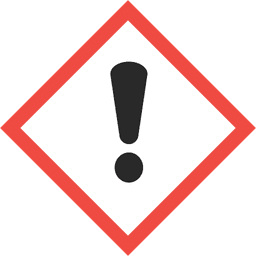
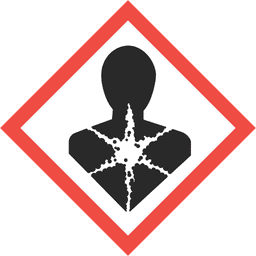
Sulfuric acid does not burn, but it is highly reactive. It can ignite finely divided combustible materials, reacts violently with water while releasing heat, and is corrosive to metals. When it reacts with metals, it produces highly flammable hydrogen gas. Under WHMIS, sulfuric acid is classified for acute inhalation toxicity (Category 2), skin corrosion (Category 1) and serious eye damage (Category 1), with the signal word “danger”. Its hazard statements warn that it is corrosive to the respiratory tract, fatal if inhaled, and causes severe skin burns and eye damage.
It is also one of the most heavily produced chemicals in the world. Sulfuric acid ranks first among U.S. chemicals by production volume. A 2009 UK government advisory report put global production at over 150 million tons a year, with over 1.2 million tons produced in the UK.
Common Industrial Uses of Sulfuric Acid
The main uses of sulfuric acid are for manufacturing fertilizers and other chemicals, petroleum refining, and battery production. Sulfuric acid also dominates sulfur demand: the U.S. Geological Survey reports that about 90% of the sulfur consumed in the United States is used in the form of sulfuric acid. The most recent USGS end-use breakdown located for this article dates from 2003. It showed agricultural chemicals (mainly fertilizers) at 60% of sulfur demand, petroleum refining at 18%, metal mining at 5% and organic and inorganic chemicals at 3%.
Fertilizer manufacturing is the largest single use. In phosphate fertilizer plants, sulfuric acid converts phosphate rock into phosphoric acid and superphosphate, and many fertilizer plants make their own acid on site. The major industries where workers are exposed to strong acid mists are phosphate fertilizer, isopropanol, synthetic ethanol, sulfuric acid, nitric acid and lead battery manufacturing, and adds copper smelting and the pickling of metals. Smaller uses include pulp and paper processing, soap and detergent manufacture, inorganic pigments and paints, and water treatment.
The pattern of use is changing. The steel industry is moving from sulfuric acid to hydrochloric acid for pickling, and hydrofluoric acid has replaced sulfuric acid in some petroleum applications. Recycling is substantial: between 2.5 million and 5 million tons of spent sulfuric acid is reclaimed each year from petroleum refining and chemical processes in the United States. New demand is also emerging. USGS expects nickel production from high-pressure acid leach projects, which supply battery materials, to increase sulfur demand.
How Common is Sulfuric Acid in the Workplace?
Facilities That Report Airborne Sulfuric Acid
The U.S. Toxics Release Inventory only counts airborne forms of sulfuric acid. EPA removed non-aerosol forms from the reporting list, effective from the 1994 reporting year. In 2016, 706 facilities reported sulfuric acid aerosols. Electric utilities made up the largest group with 251 facilities, followed by chemical manufacturers (116), petroleum facilities (73), primary metals (45), computer and electronic product manufacturers (42) and paper mills (40). Power plants appear in this list because sulfuric acid aerosols form in stacks when sulfur-containing fuels such as coal and oil are burned. Facilities only report once they exceed thresholds of 25,000 pounds of acid aerosol manufactured or processed, or 10,000 pounds otherwise used. The 706 figure therefore excludes nearly all workplaces that only handle liquid acid.
Exposed Workers
The broader workforce is much larger. NIOSH’s National Occupational Exposure Survey (1981 to 1983) estimated that about 776,000 U.S. workers, including about 174,000 women, were potentially exposed to sulfuric acid. The same NIOSH data indicate that more than 56,103 U.S. workers may be exposed to sulfur trioxide, the compound that forms sulfuric acid on contact with water. In the European Union, the CAREX database estimated that about 700,000 workers were exposed to strong inorganic acid mists containing sulfuric acid in 1990 to 1993. The largest groups were in industrial chemicals manufacturing (78,400), fabricated metal products (67,800), construction (63,600) and wholesale, retail and hospitality (63,300).
No current national estimate was located for Canada. CAREX Canada has not developed exposure estimates for strong inorganic acid mists, citing a past lack of exposure data. For the UK, a 2009 government advisory report noted that lead-acid battery manufacturing was in decline, with five sites in 2006, each with 75 to 150 exposed workers. The same report found that HSE measurements in metal finishing and crop spraying rarely exceeded 0.3 mg/m³. However, 23% of a small set of recent HSE measurements at battery sites were at or above 0.3 mg/m³, and two exceeded 1 mg/m³.
Short and Long Term Effects of Sulfuric Acid Exposure
Short Term Effects
Sulfuric acid damages tissue on contact. On the skin, CCOHS reports that it can cause pain, redness, burns and blistering, with possible permanent scarring, and that a severe exposure can cause death. In the eyes, it causes severe burns and can lead to permanent damage, including blindness. If heated or misted acid is inhaled, it can cause severe irritation of the nose and throat and a life-threatening buildup of fluid in the lungs (pulmonary edema). CCOHS warns that symptoms of pulmonary edema may be delayed after exposure [4]. Swallowing sulfuric acid can burn the lips, mouth, throat and stomach and can cause death.
The thresholds for harm from mist are low. In short exposures of 5 to 15 minutes, some volunteers found 5 mg/m³ very objectionable. NIOSH set its IDLH (immediately dangerous to life or health) value at 15 mg/m³, based on acute inhalation data in humans and animals.
Mixing acid and water is a common cause of injury. Contact with water causes violent frothing and spattering. CCOHS advises never adding water to a corrosive, and always adding the corrosive slowly to cold water.
Long Term Effects
Repeated skin contact with weak solutions can cause dry, red, cracked skin (dermatitis). At high concentrations, breathing the mist can wear away tooth enamel and irritate and inflame the airways. NIOSH lists dental erosion, bronchitis and emphysema among the symptoms of exposure.
Cancer risk is linked to acid mist rather than to the liquid itself. The U.S. National Toxicology Program lists strong inorganic acid mists containing sulfuric acid as known human carcinogens, and ACGIH classifies them as A2, suspected human carcinogens. In the UK, the Industrial Injuries Advisory Council reviewed the evidence in 2009 and decided against listing laryngeal cancer from acid mist as a prescribed occupational disease. It found that the evidence for any single industry was too limited, particularly in controlling for smoking.
Exposure Limits for Sulfuric Acid
Sulfuric acid limits are expressed in milligrams per cubic metre (mg/m³) because the hazard is an airborne mist, not a gas. Newer limits also specify the thoracic fraction. This is the portion of airborne particles that deposits anywhere in the lung airways and the gas-exchange region. The measurement method has a large effect on results. A German study of 20 companies found that thoracic concentrations were roughly 35% of inhalable concentrations once levels exceeded 0.005 mg/m³. A thoracic limit is therefore much stricter than an older limit with the same number measured a different way.
United States
OSHA’s permissible exposure limit is 1 mg/m³ as an 8-hour time-weighted average. This value has not changed since at least 1989. NIOSH recommends the same 1 mg/m³ limit, and its IDLH value is 15 mg/m³. ACGIH’s Threshold Limit Value is lower at 0.2 mg/m³, measured as thoracic particulate matter, with an A2 carcinogen classification. California sets a stricter state limit: Cal/OSHA’s permissible exposure limit is 0.1 mg/m³ as an 8-hour average, with a 3 mg/m³ short-term limit.
Canada
CCOHS notes that in many, but not all, Canadian jurisdictions the limits are similar to the ACGIH TLVs. Ontario added a limit of 0.2 mg/m³ for sulfuric acid in the thoracic fraction to Regulation 833 in 2005. British Columbia sets the same 0.2 mg/m³ thoracic limit and treats sulfuric acid as a designated substance under section 5.57 of its Occupational Health and Safety Regulation. WorkSafeBC states that the BC limit is intended to minimize lung function impairment and reduced mucus clearance.
United Kingdom
In Great Britain, the Workplace Exposure Limit in HSE’s EH40 is 0.05 mg/m³ as an 8-hour average, with the mist defined as the thoracic fraction. This value comes from the EU’s indicative limit published in Directive 2009/161/EU. EH40 sets no short-term limit for sulfuric acid mist. Before this limit was introduced, an HSE Chemical Hazard Alert Notice in 2001 recommended keeping exposure no higher than 0.3 mg/m³ to protect against inflammation of the larynx.
Recommended PPE
The first priority is to stop mist from forming and escaping. CCOHS recommends local exhaust ventilation and process enclosure, and advises using a corrosion-resistant exhaust system that is separate from other ventilation systems. It also advises avoiding the generation of mists and avoiding bulk storage of sulfuric acid indoors.
United States
NIOSH and OSHA respirator guidance for concentrations up to 15 mg/m³ includes several options. A continuous-flow supplied-air respirator, or a powered air-purifying respirator with acid gas cartridges and a high-efficiency particulate filter, has an assigned protection factor of 25. A full-facepiece respirator with acid gas cartridges and an N100, R100 or P100 filter has a factor of 50. For emergencies or unknown concentrations, NIOSH recommends a full-facepiece self-contained breathing apparatus in pressure-demand mode, with a protection factor of 10,000. NIOSH also advises preventing all skin and eye contact, removing clothing that becomes wet or contaminated, and providing an eyewash and quick-drench shower wherever acid stronger than 1% is used. OSHA’s general requirements also apply, including 29 CFR 1910.132 (PPE hazard assessment), 1910.133 (eye and face protection), 1910.134 (respiratory protection) and 1910.151(c) (emergency flushing facilities for corrosive materials).
Glove selection depends on acid strength. For solutions of 30% to 70% sulfuric acid, CCOHS lists butyl rubber, natural rubber, neoprene, PVC and Viton® among suitable materials. For concentrated acid, employers should confirm breakthrough times with the glove manufacturer before use.
Canada
CCOHS recommends chemical safety goggles plus a face shield wherever contact is possible. For skin protection, workers should wear chemical protective clothing made from the materials listed above. CCOHS bases its respirator advice on the NIOSH recommendations and applies it only to NIOSH-approved respirators. In British Columbia, sulfuric acid’s status as a designated substance brings it under section 5.57 of the OHS Regulation.
United Kingdom
COSHH requires employers to assess the risks of working with sulfuric acid and to prevent exposure as far as reasonably practicable. Where prevention is not reasonably practicable, exposure must be controlled through work processes and engineering controls such as local exhaust ventilation, with respiratory protective equipment as an additional measure only where other controls cannot achieve adequate control. HSE’s guide HSG53 is the main reference for selecting RPE. COSHH may also require health surveillance where use of the acid creates an identified health risk.
Battery work is the most common route to sulfuric acid exposure for many UK employers. HSE reports that at least 25 people are seriously injured each year when using batteries at work. Its guidance tells workers to wear gloves and eye protection, preferably goggles or a visor, and to add a plastic apron and suitable boots when handling battery chemicals such as sulfuric acid. HSE also warns that gases released during battery charging can contain a fine sulfuric acid mist, so workers should avoid breathing them and wear eye protection.
Conclusion
Sulfuric acid is so common that it is easy to underestimate. It causes severe burns on contact, its mist can damage the lungs and teeth, and IARC classifies occupational exposure to strong acid mists as a cause of laryngeal cancer. Exposure limits vary widely between jurisdictions. The UK limit of 0.05 mg/m³ in the thoracic fraction is many times stricter than the U.S. federal limit of 1 mg/m³, which is measured differently. Employers should identify every point where sulfuric acid can form a mist, such as pickling tanks, battery charging and acid transfer, and treat the strictest relevant limit as their working target.
Hazard communication is central to safe handling, because a worker who mixes acid and water in the wrong order, or stores acid next to an incompatible chemical, can be seriously injured in seconds. sdsLite gives employees and first responders credential-free access to safety data sheets through a QR code or URL, so first aid guidance such as the required flushing time is available immediately after a splash. Its new Point of Use Libraries place job-specific chemical safety information exactly where sulfuric acid is handled, such as a battery charging bay, a pickling line or a laboratory acid cabinet. Each location gets its own label with a QR code linking to the relevant safety data sheets, the GHS pictograms for the chemicals used there, and the date the information was last updated. sdsLite also generates HazCom, WHMIS and COSHH compliant secondary labels, which keep hazard information attached when acid is decanted into smaller containers. For sites that store larger volumes, sdsPlus adds real-time chemical inventory, container tracking and floor plans showing where chemicals are stored. Its storage area signage is generated from what is actually stored in each zone, which helps keep sulfuric acid segregated from water-reactive materials, bases and metals. Tools like these do not replace enclosure, ventilation or protective equipment. They do make it far easier to keep the right information in front of the right people, which is where hazard prevention begins.